HEPA Filter Production Line Key Points for Stable Mass Production
Many customers invest in a HEPA filter production line but still face unstable efficiency grades, uneven pleating, and fluctuating batch yields. In practice, stable production depends not only on the machine itself, but also on process control, material matching, and overall production logic.
For companies entering the HEPA filter industry or upgrading existing lines, purchasing equipment is only the starting point. The factors that affect long-term production stability are often overlooked during early planning. HEPA filter media are delicate, and pleating parameters must be strictly controlled. If H13/H14 efficiency grades cannot be maintained, the result may be rework or returned batches. When these problems appear during mass production, the cost is usually much higher than proper planning at the beginning.
Pleating Precision Comes Before Speed
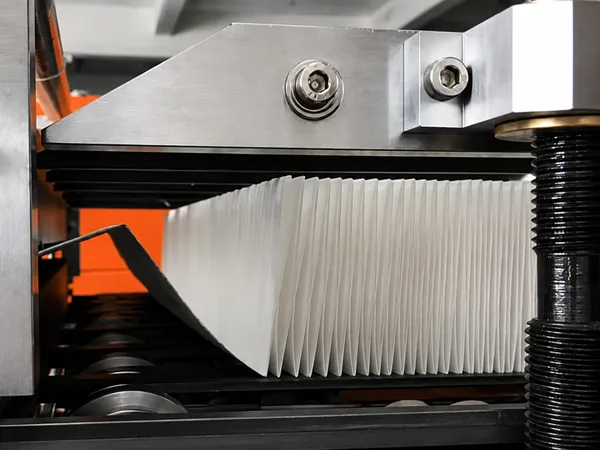
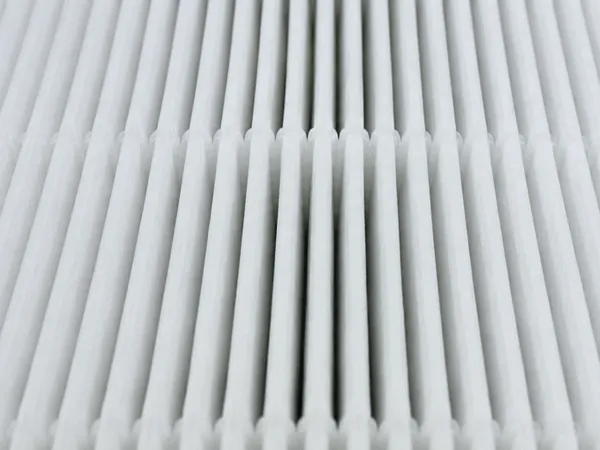
For HEPA filter elements, consistent pleat pitch is critical. Uneven pleating can cause local media overlap, reduce the effective filtration area, increase air resistance, and affect the final efficiency grade.
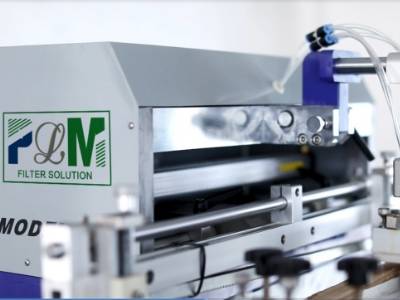
PLM's PLGT series precision pleating machines, such as PLGT-600 and PLGT-1000N, use servo drive control to keep pleat pitch deviation within a very small range. This helps ensure stable pleat consistency for each filter element. In HEPA mass production, blindly pursuing speed while ignoring precision is one of the common causes of unstable quality.
Hot Melt Glue Control
Mini-pleat HEPA filters use hot melt glue to hold the pleated structure in place without physical separators. Excessive glue may block micro-pores and increase air resistance, while insufficient glue can weaken bonding and cause the pleats to deform or tear under operating airflow.
Stable glue application depends on accurate nozzle control, proper dispensing parameters, and close matching with the filter media and pleat structure. This is a key factor in maintaining mini-pleat HEPA filter quality during mass production.
Filter Media and Parameter Matching
Different HEPA filter media, such as fiberglass and PTFE, vary in weight, thickness, and fiber structure, so equipment settings including clamping force, pleating speed, and tension control must be adjusted according to the physical properties of each material. If the material batch is unstable or the machine parameters are not properly matched, problems such as pleat tearing, fiber shedding, and micro-pore leakage may occur. Stable HEPA filter production depends on the combined control of equipment, materials, and process parameters, not only on purchasing a good machine.
Sealing and Final Testing
After the HEPA filter is framed, edge sealing quality directly affects whether bypass leakage occurs. Poor PU potting or foam strip sealing can allow unfiltered air to pass through the filter, reducing overall performance and creating serious quality risks.
Before shipping, each HEPA filter should be verified through professional leak scanning or overall efficiency testing. In PLM's complete HEPA factory solution, the HEPA/ULPA filter scanning test system is an essential part of the production line, helping ensure that every filter element meets strict quality standards before delivery.
Plan for Future Line Upgrades
Some customers start HEPA filter production with a single mini-pleat machine due to limited initial budgets. This approach is feasible, but the factory layout and solution design should reserve space and interfaces for future additions such as framing, automatic glue sealing, and inline testing equipment. When order volumes increase, a well-planned layout allows the line to expand smoothly into a more complete automated HEPA production line, helping avoid costly reconstruction and unnecessary sunk costs.
Technical Viewpoint
PLM believes that a reliable HEPA filter production line should not only help customers start production today, but also support stable mass production and consistent efficiency standards in the future. Therefore, our solution design focuses not only on PLGT pleating equipment, but also on process parameter matching, filter media adaptation, back-end testing support, and long-term upgrade planning.
Solution Highlights
- High-precision pleat pitch control with servo drive
- Mini-pleat hot melt glue process matching
- Filter media parameter adaptation
- HEPA/ULPA sealing and scanning test integration
- Reserved interfaces for future automatic line upgrades
If you are planning a HEPA filter production line or looking to improve the yield and efficiency consistency of your existing H13/H14 filter production, contact PLM for a tailored solution. We can recommend a practical production plan based on your filter media specifications, efficiency requirements, production capacity, and budget.