Air Filter Factory Planning from Product Definition to Stable Production

Machine selection should not be the first step in air filter factory planning. The customer first defines the target filters, planned output and workshop conditions, and we then develop the process route, equipment and supporting scope, and technical-support direction. Because PU-framed automotive filters, PP injection filters, cylindrical truck filters and cabin filters require different media preparation, forming, bonding, curing and assembly processes, a complete factory project cannot rely on one fixed machine list. The product, output, workshop and automation requirements should therefore be confirmed before selecting the appropriate process and equipment configuration.

Define the Target Filter Range

Product requirements determine the production process. Even within the same filter family, differences in dimensions, shape, media, frame or end-cap structure may require different molds, tooling and downstream equipment. We therefore confirm the target filters before finalizing the configuration.

The following information is needed for the preliminary plan:

  • Planned air filter families and representative samples, photos or drawings;
  • Main finished dimensions, filter media, frame or end-cap structure;
  • Target daily output, main models and planned shifts;
  • Available workshop area, utilities and production zones;
  • Preferred automation level, investment stage, start-up schedule and expansion needs.

These inputs help us define the production route, determine separate and shared equipment, and specify the molds, materials and testing support required for initial production.

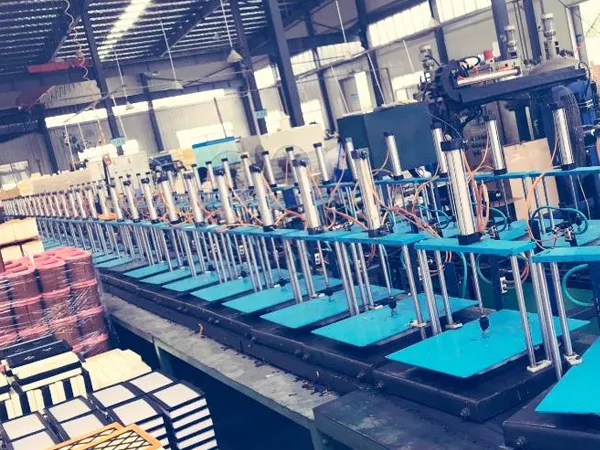
Air filter factory planning with a long automated production line in the workshop.
Match the Complete Production Process

Different air filter families require different production routes. A PU-framed automotive filter typically includes media pleating, cutting, PU molding, curing and trimming. A truck air filter also requires inner and outer mesh, cylindrical assembly, and a metal or PU end-cap process. A cabin filter mainly involves media pleating and edge bonding. A complete plan should connect all required production stages from start to finish.

Target filter → process route → main and auxiliary equipment → molds and materials → testing, marking and packing

Machine models and quantities are determined by product dimensions, planned output, workshop conditions and automation requirements.

Planned output should be evaluated across the complete production process, not by the speed of a single machine. We review how pleating, cutting, forming, curing, assembly, testing and packing work together, then match the equipment combination to the model range, labor plan and automation goal. The objective is a coordinated process rather than the highest speed of an individual machine.

Plan Workshop Conditions and Production Flow

Factory layout planning should consider more than whether the machines fit within the workshop. Production, storage, testing, utilities, personnel flow and future expansion should be reviewed together. Equipment should follow the production sequence rather than be arranged only after the machine list is finalized.

The layout plan should consider:

  • Workshop dimensions, entrances, and space for equipment installation and maintenance;
  • Location and capacity of power, compressed air, ventilation and other utilities;
  • Connections between material, processing, curing, testing, packing and storage areas;
  • Movement of operators, materials and work-in-process between production stages;
  • Reserved space and interfaces for additional molds, equipment or future production phases.

These inputs help us define machine placement and production zones while considering equipment, materials, molds and staffing requirements. This allows Phase 1 to meet current production needs while retaining room for future expansion.

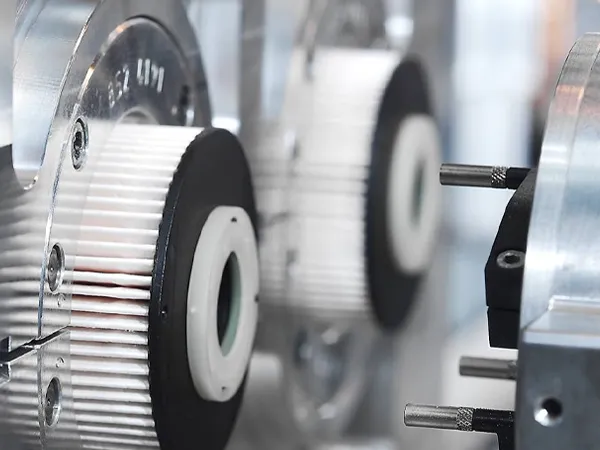
Air filter factory planning with a production process machine for filter media processing.
A Complete Project Includes More Than Machines

A complete-factory solution includes not only machines but also supporting items required for stable production. The scope may cover auxiliary and test equipment, filter media, adhesives, end caps, molds, spare parts, process guidance, installation and operator training. The final scope is confirmed according to the filter, investment stage and project requirements.

A complete configuration may include:

  • Main and auxiliary machines required for the target production route;
  • Molds, tooling and product-specific supporting items for initial filters;
  • Filter media, adhesives, end caps, frames and other production materials;
  • Test equipment and inspection stages matched to product requirements;
  • Installation guidance, operator training, maintenance documents, wear parts and long-term spare-parts support.

For phased investments, we can plan Phase 1 around priority products and budget while considering future expansion of the workshop, utilities and process interfaces. This allows customers to evaluate the production capability created by each phase, not only the price of individual machines.

Support Continues After Equipment Delivery

After the machines arrive at the customer's site, the agreed project scope may Equipment delivery is not the final step. We provide installation guidance, online training, factory training, maintenance guidance and spare-parts support. Machines are debugged and tested before delivery, and installation support covers the schedule, key points and common questions.

Training can be provided online or at the factory, covering controller operation, daily machine maintenance, troubleshooting and operation on the actual equipment. include installation checks, parameter adjustment, representative-product trials and operator handover, helping the local team gradually take over daily production and maintenance.

Start the Factory Plan from the Target Filters

Customers do not need to select every machine model in advance. For a new air filter factory, share your representative samples or drawings, main dimensions, target output, workshop conditions, automation preference, investment stage and schedule. Based on these inputs, we can prepare a preliminary process route, equipment scope and layout direction for the project. Specific models and quantities can be confirmed based on the samples, drawings and site conditions.

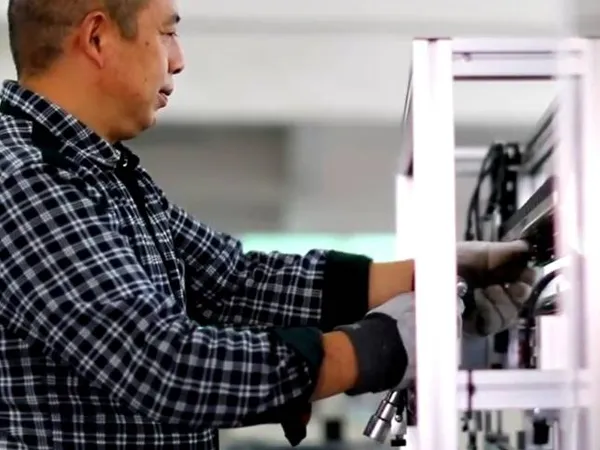
Air filter factory planning with equipment support and technical guidance after delivery.