
Filter Paper Preparation
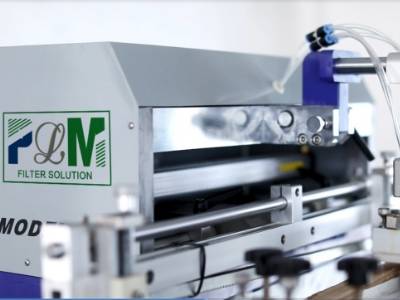
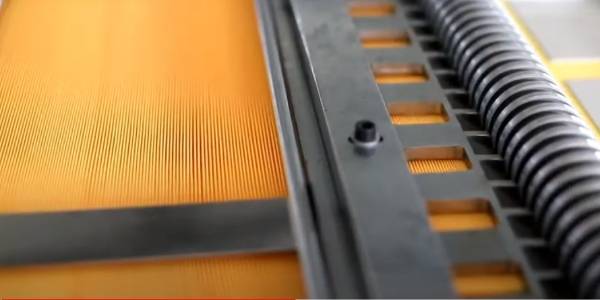
Select the media, then pleat, load, cut and bond the filter paper to the required height and circumference.
PLEATING · LOADING · CUTTING · BONDING
PLM connects wide filter-paper preparation, inner and outer mesh production, cylindrical assembly, metal or PU end caps, curing, gluing and final approval into one practical manufacturing plan.
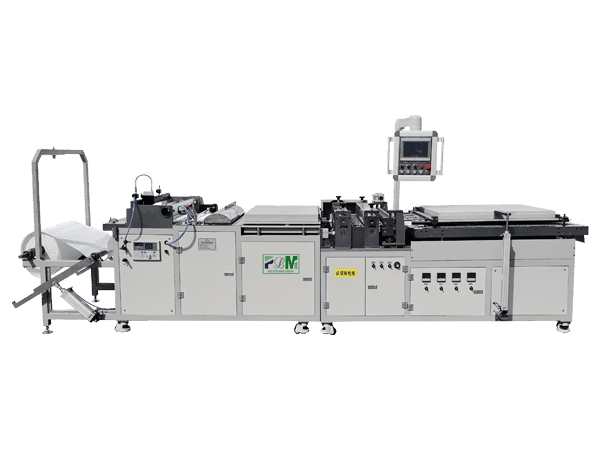
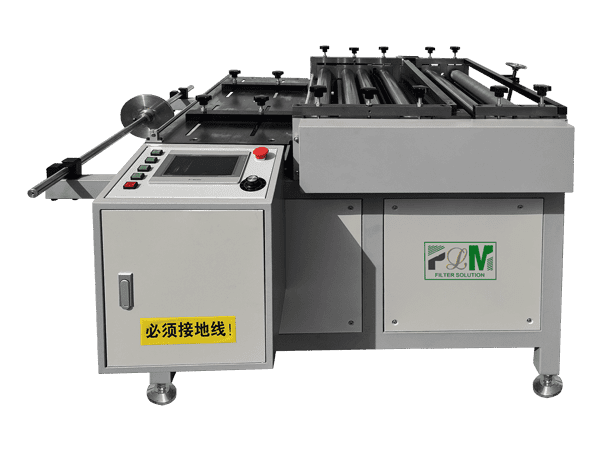
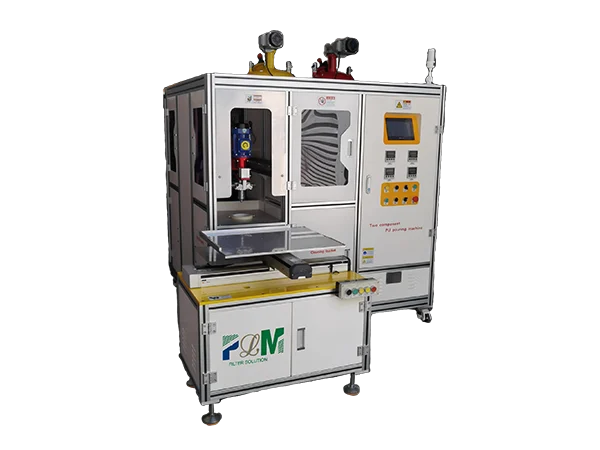
All machine photographs are extracted from PLM's official truck air filter process and equipment pages.
Truck air filters normally require wider media, cylindrical support mesh and an end-cap route selected early in the project. Each station must be planned around the same filter dimensions and production rhythm.
Select the media, then pleat, load, cut and bond the filter paper to the required height and circumference.
PLEATING · LOADING · CUTTING · BONDING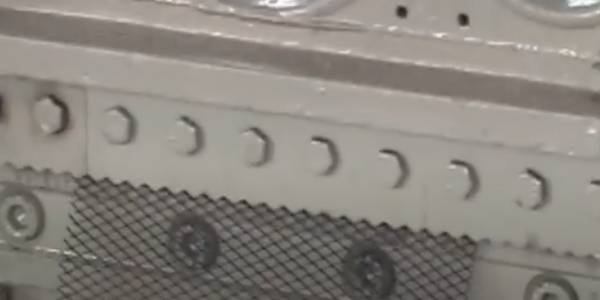
Form, flatten, slit, roll and weld the supporting mesh to match the filter diameter and height.
MESH MAKING · SLITTING · ROLLING · WELDING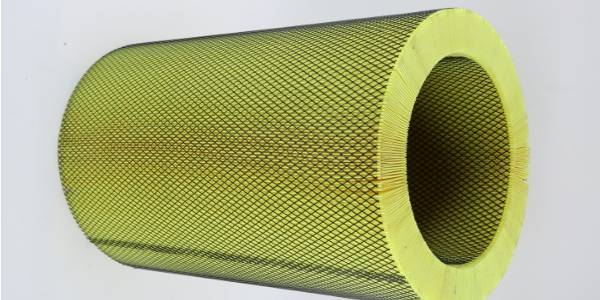
Assemble the pleated filter pack with the inner and outer mesh while controlling roundness and fit.
CYLINDRICAL FORMING · SIZE CONTROL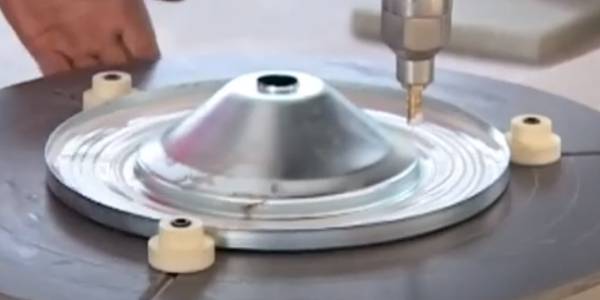
Choose metal end-cap stamping and gluing, or PU dispensing, molding, curing and trimming.
METAL ROUTE OR PU ROUTE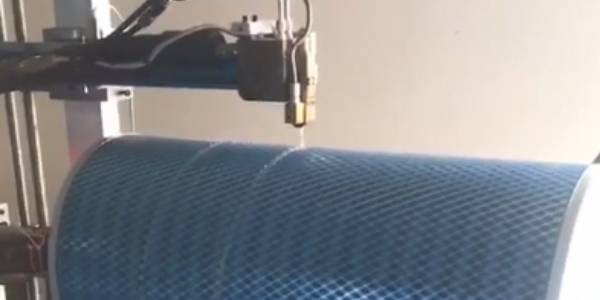
Apply the selected adhesive or hot-melt reinforcement to stabilize the filter element for service conditions.
GLUING · THREADING · REINFORCEMENT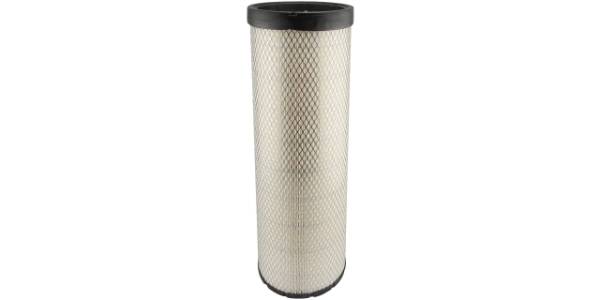
Complete marking, appearance and dimensional checks, then approve samples before batch production.
PRINTING · INSPECTION · SAMPLE APPROVALChoose the route that matches your target filter model, market, tooling, materials, output and factory capability.
Focus on end-cap stamping accuracy, adhesive compatibility, sealing-ring bonding and assembly fit.
These are representative PLM equipment options confirmed for truck air filter process stages. Final models and auxiliary equipment are selected after the filter sample, dimensions, materials and target capacity are reviewed.
Representative wide-media pleating options for heavy-duty cylindrical filter elements.
VIEW OFFICIAL MACHINE PAGE ↗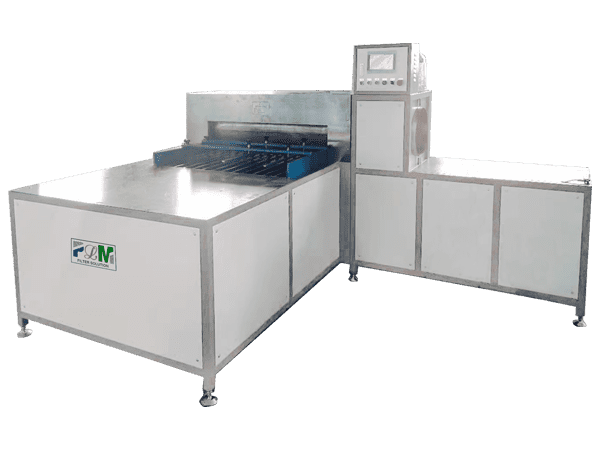
Loads formed filter paper into a circular shape for the next assembly step.
VIEW OFFICIAL MACHINE PAGE ↗Cuts and rolls supporting mesh to match product dimensions and production requirements.
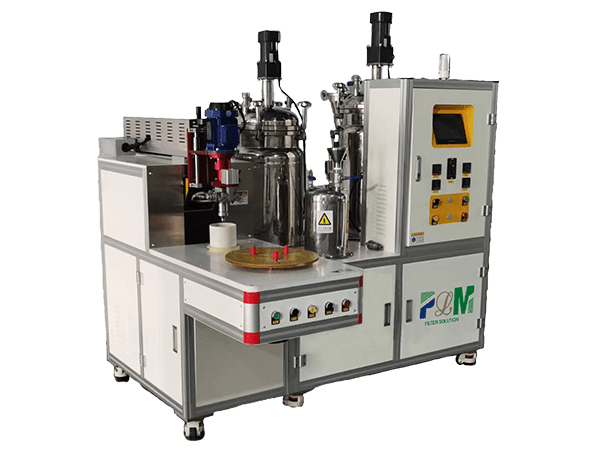
VIEW OFFICIAL MACHINE PAGE ↗Two-component adhesive dispensing for metal end-cap filter element assembly.
VIEW OFFICIAL MACHINE PAGE ↗PU glue injection and molding for heavy-duty air filter end-cap production.
VIEW OFFICIAL MACHINE PAGE ↗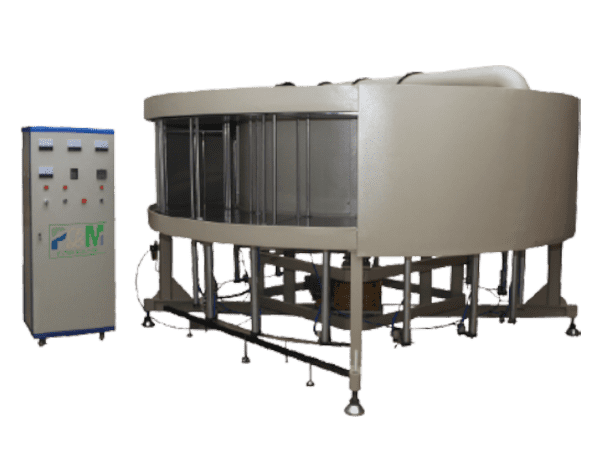
A 16-station curing route for PU end caps, matched to process time and output.
VIEW OFFICIAL MACHINE PAGE ↗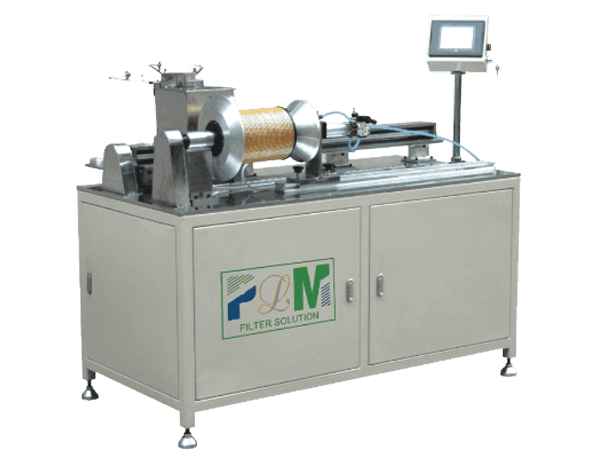
Hot-melt threading for large cylindrical heavy-duty air filter elements.
VIEW OFFICIAL MACHINE PAGE ↗Image authenticity: every machine photo above is taken directly from the corresponding PLM official equipment page. Additional cutting, bonding, mesh making, flattening, slitting, welding, stamping, sealing, printing, testing and conveying equipment is matched according to the approved product route.
PLM supplies truck air filter production line planning for new factories and existing manufacturers. The solution can connect a wide filter paper pleating machine, paper cutting and bonding, inner and outer mesh making, mesh rolling, cylindrical filter assembly, metal end-cap gluing, PU end-cap molding and curing, filter element gluing, printing and operator training.
Plan the full heavy-duty air filter manufacturing process instead of selecting one pleater without downstream coordination.
Match paper width, pleat height, filter diameter, element length, mesh structure and end-cap route to actual products.
Build a complete factory route or retain suitable existing equipment while improving capacity, consistency and labor control.
Connect pleating, cutting, mesh, assembly, end caps, curing, gluing and inspection as one production system.
Match the required stations to filter size, output, automation level, factory space and current equipment.
Review filter paper, expanded or perforated mesh, metal or PU end caps, seals and adhesive systems together.
Confirm drawings, samples, end-cap structure, molds and quality points before finalizing the equipment scope.
Plan material flow, operator positions, power, compressed air, curing space and future expansion.
Support commissioning guidance, operator training, spare parts and long-term technical communication.
You do not need to know every machine model. Share the filter, dimensions, end-cap type, capacity and project stage. A PLM specialist can help clarify the process direction.

PLM · Design, Supply & SupportMachines · Materials · Tooling · Process · Training
Usually not. Pleating is only the first step. A complete route may also require cutting, bonding, inner and outer mesh production, cylindrical assembly, end-cap processing, curing, gluing, printing and inspection.
The choice depends on the target filter model, market requirement, structure, materials, budget and factory capability. Metal end caps require stamping and compatible gluing; PU end caps require dispensing, molding, curing and trimming.
Yes. Share the target filters, dimensions, daily output, factory space, budget range and preferred end-cap route. PLM can help connect machines, materials, tooling, layout and operator training.
Yes. For an upgrade project, PLM can review the current pleating, mesh, assembly, end-cap and gluing steps, then identify which equipment can remain and where the main bottleneck is.
Send finished-filter photos, samples or drawings, dimensions, media width, inner and outer mesh details, end-cap type, target output, SKU quantity, current machines and factory layout.
PLM also supports material matching, molds and tooling, process guidance, installation, training, spare parts and long-term technical communication.


PLM Filter Solution Group Co., Ltd. supply one-stop air filter element production line, including production machines, test machines, filter materials and other accessories.