
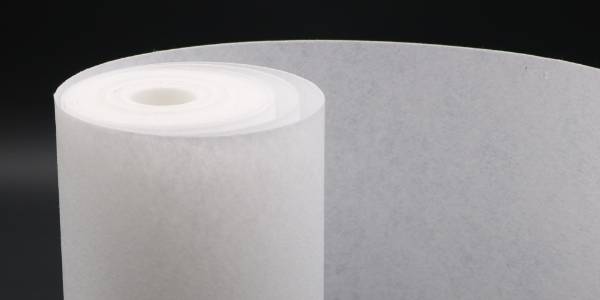
Non-Woven Filter Cloth
Confirm media type, width, thickness and filtration requirements before equipment and process selection.
MEDIA SPECIFICATION · WIDTH · THICKNESS
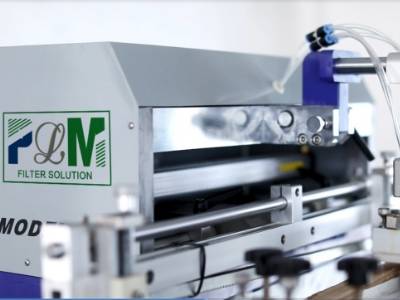
PLM connects filter-cloth pleating, PP plastic-frame injection molding and assembly, printing, film shrinking and conveying into one practical production plan for new factories and line upgrades.
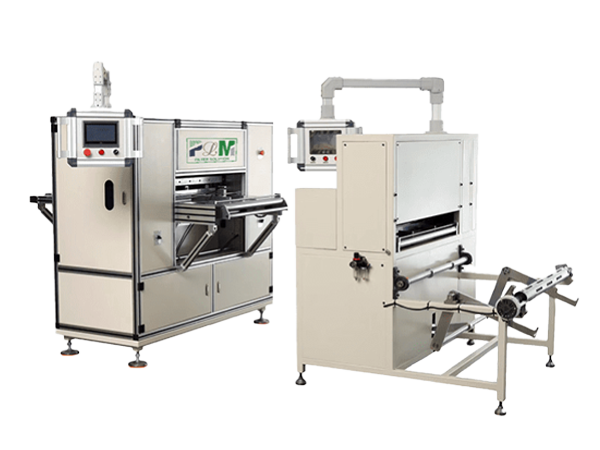
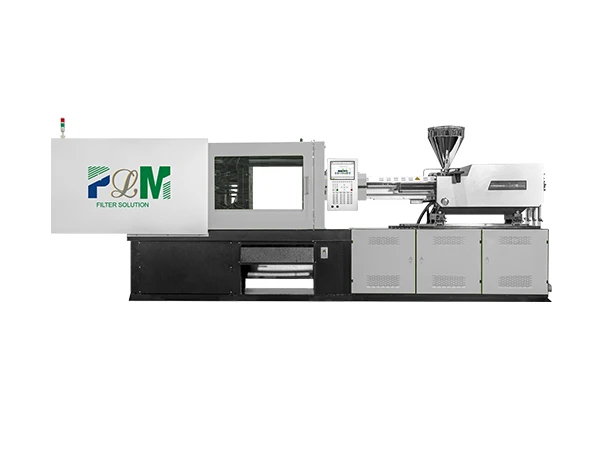
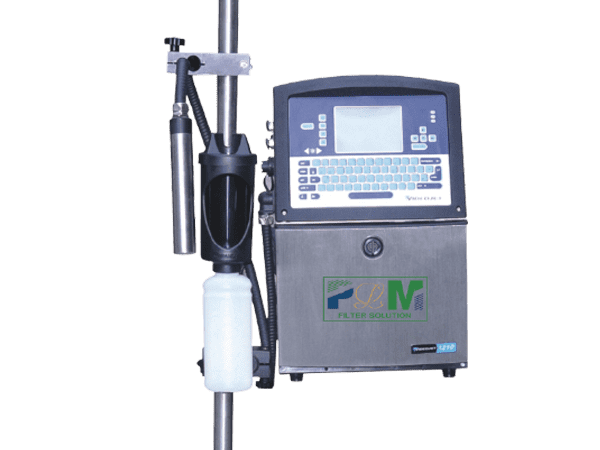
Machine and process photographs are extracted from PLM's official PP air filter process and equipment pages.
The process below follows the official PLM PP air filter line. Equipment and tooling must be matched to the same filter drawing, media specification and production target.
Confirm media type, width, thickness and filtration requirements before equipment and process selection.
MEDIA SPECIFICATION · WIDTH · THICKNESS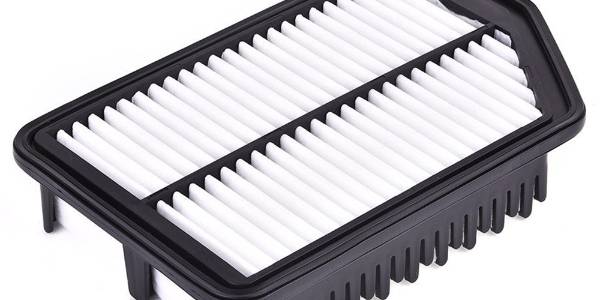
Pleat the non-woven media to the required height, pitch and panel dimensions for the target filter.
PLEAT HEIGHT · PITCH · PANEL SIZE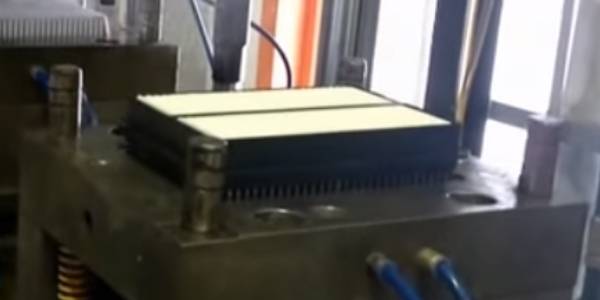
Place the pleated media into the matched tooling, then form the PP plastic frame and complete filter assembly.
MOLD · PLASTIC FRAME · FILTER ASSEMBLY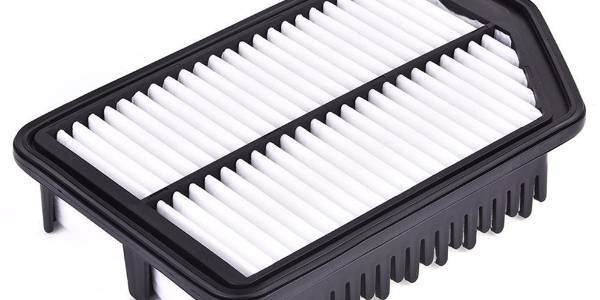
Apply the required product code, direction mark, brand or traceability information after molding.
MARKING · CODING · TRACEABILITY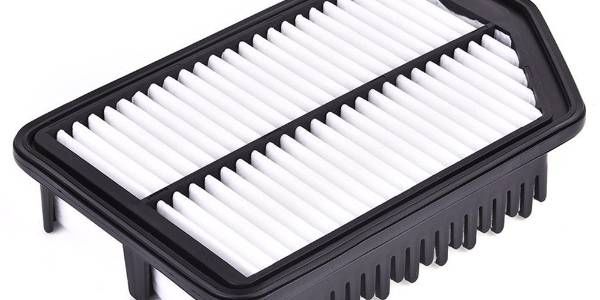
Seal and shrink the protective film around the finished filter according to the packaging requirement.
FILM SEALING · HEAT SHRINKING · PROTECTION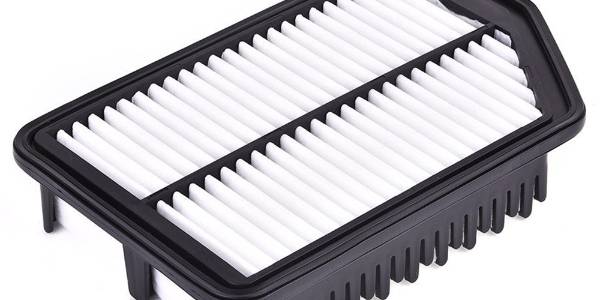
Connect the finishing stations with a practical conveying route for inspection, packing and collection.
TRANSFER · INSPECTION · PACKING FLOWEvery machine image is taken from its corresponding PLM official equipment page. These models are listed for the PP air filter process; final selection depends on the sample, drawing, media, mold, output and factory conditions.
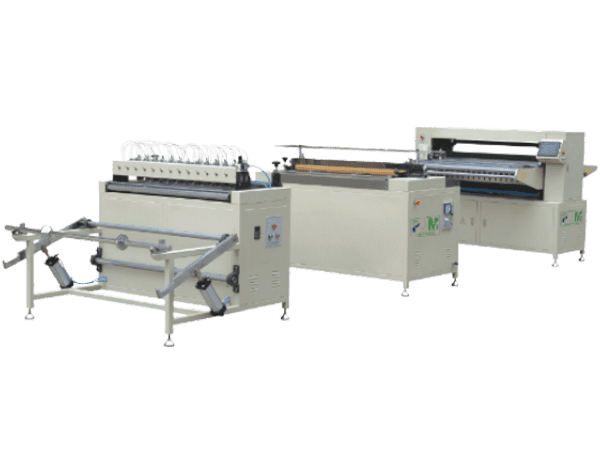
An official PLM pleating option listed for the PP air filter process. Final selection depends on media and filter dimensions.
VIEW OFFICIAL MACHINE PAGE ↗A second official pleating option for PP filter production planning, matched after the target product is reviewed.
VIEW OFFICIAL MACHINE PAGE ↗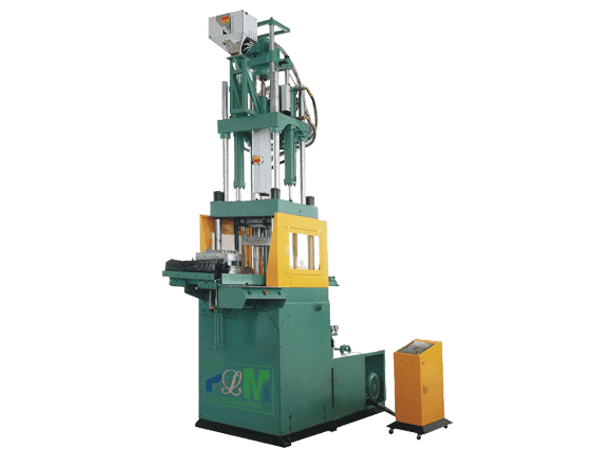
Official PLM equipment for PP air filter plastic injection molding and filter assembly.
VIEW OFFICIAL MACHINE PAGE ↗An additional official PLM molding option. The appropriate model is confirmed from filter drawings, tooling and output targets.
VIEW OFFICIAL MACHINE PAGE ↗Printing equipment listed by PLM for the PP air filter finishing process.
VIEW OFFICIAL MACHINE PAGE ↗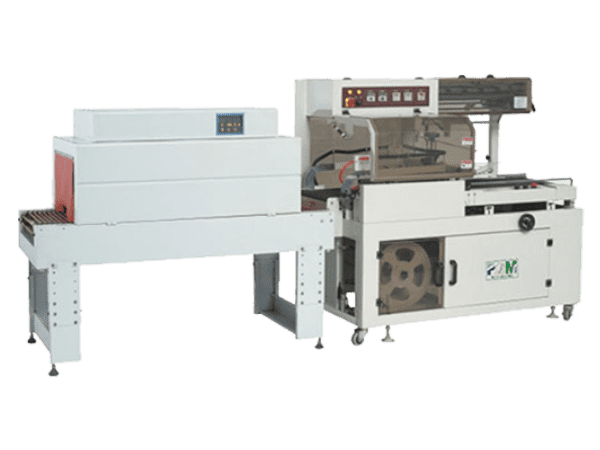
Automatic film sealing and shrinking equipment for the finished-filter packaging stage.
VIEW OFFICIAL MACHINE PAGE ↗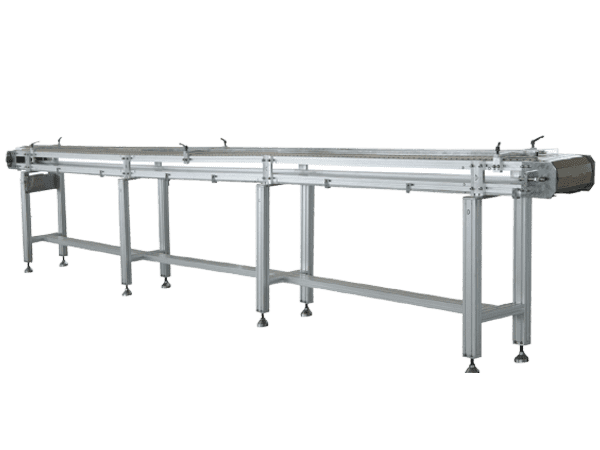
A belt conveyor listed for connecting PP air filter finishing, inspection and packing operations.
VIEW OFFICIAL MACHINE PAGE ↗Authenticity note: no AI-generated or CSS-drawn machine images are used. Additional molds, auxiliaries, quality checks and handling stations are confirmed after the PP filter is reviewed.
Use this preliminary selector to organize the project discussion. It is not a final technical quotation.
PLM supports car PP air filter factory setup and line upgrades with non-woven filter cloth pleating machines, PP plastic frame injection molding and assembly equipment, filter printing, shrink film packaging, conveying, tooling and process support.
Connect media preparation, pleating, plastic frame molding, marking, packing and transfer around one approved filter design.
Review the frame structure, insert, PP material, tooling and output before confirming the appropriate molding configuration.
Plan a complete new production route or retain suitable existing stations while improving the main bottleneck.
Start with the PP filter sample, drawing, non-woven media, plastic frame structure and required output.
Match pleating, injection molding, printing, film shrinking and conveying as one production route.
Coordinate non-woven media, PP material, molds, inserts and packaging requirements with the process plan.
Plan material movement, tooling changes, operator positions, utilities, inspection and finished-goods flow.
Help beginners understand the required machines, materials, molds, utilities and phased investment sequence.
Review bottlenecks, retain suitable equipment and support installation guidance, training, spares and communication.
You do not need to know every machine model. Share the filter, media, frame structure, mold status, capacity and project stage. A PLM specialist can help clarify the process direction.
PLM · Design, Supply & SupportMachines · Materials · Tooling · Process · Training
It is a coordinated process for producing automotive air filters with pleated non-woven media and a molded PP plastic frame. The official PLM process includes media preparation, pleating, injection molding and assembly, printing, film shrinking and conveying.
No. Pleating prepares the filter media, but PP filter production also requires suitable tooling and injection molding for the plastic frame and assembly, plus the required marking, packaging and line-handling steps.
Share the non-woven media specification, pleat height, panel size, target filter models and required output. PLM can review which listed configuration better matches the actual process.
The choice should be confirmed from the finished-filter drawing, mold structure, PP material, insert and assembly method, output target, available space and automation plan. PLM reviews these factors before final model selection.
Yes. PLM can help connect machine selection with filter materials, tooling, process guidance, factory layout, installation guidance and operator training.
Yes. Share the current machines, molds, output, labor, defects and layout. Suitable equipment can remain while the main bottleneck or unstable process is addressed first.


PLM Filter Solution Group Co., Ltd. supply one-stop air filter element production line, including production machines, test machines, filter materials and other accessories.