Air Filter Production: From Filter Structure to Equipment
Planning air filter production starts with the structure of the finished filter. The media captures particles, while the frame and internal supports hold it in the required form. Pleated panels, bags and high-efficiency media packs create different tasks in media preparation, component forming, bonding and assembly
Define Filter Structure and Performance Separately
“Primary” and “medium-efficiency” are common industry descriptions, but they are not complete acceptance specifications. Panel and bag describe physical structures. A paper frame does not establish one filtration grade, and a HEPA filter is not limited to one external shape.
For general-ventilation particulate filters within its scope, ISO 16890 uses the ISO Coarse, ISO ePM10, ISO ePM2.5 and ISO ePM1 groups. High-efficiency filters are classified under the applicable target-market standard; the ISO 29463 series provides a framework for classification and testing. State the required class, test method and operating conditions when defining the product.
Paper-Frame Filters Need Matched Media Geometry and Bonding
A pleated panel places folded media inside a frame. The media pack must fit the internal space without being forced out of shape. Finished outside dimensions determine installation fit, while the frame’s internal dimensions determine how the pack can be positioned and bonded.
For the pleated paper-frame products discussed here, the route typically includes media preparation, pleating, cutting and frame bonding. Some designs also require a support mesh or reinforcing adhesive. Confirm these components from the drawing rather than assuming that every paper-frame filter uses the same construction.
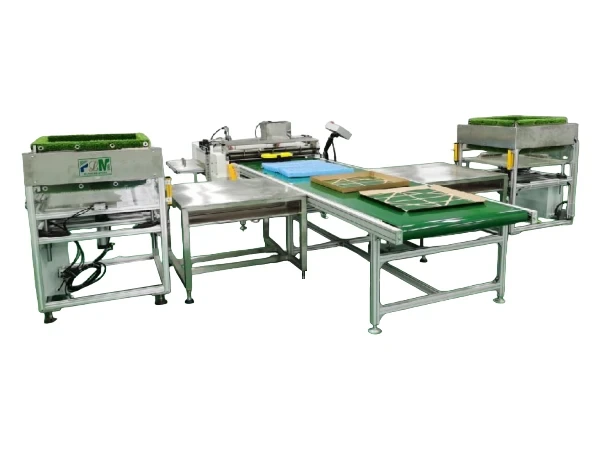
Our paper-frame gluing equipment serves the assembly stage after media preparation. The PLM-ZKZZ-1 semi-automatic assembling line is one option in this range. Locate the media and frame with the agreed fixtures, apply adhesive at the specified joints, and maintain positioning during bond formation.
Check pack fit, frame shape, joint continuity and finished dimensions. An oversized pack can be compressed, while an undersized pack can leave an unsuitable interface. Edge bonding and centre line reinforcement act at different locations and should follow the approved design.
Bag Filters Need Secure Pocket-to-Frame Attachments
A bag filter has pockets extending behind its header frame. Production therefore includes forming the bags and attaching their openings to the supporting components. Pocket count, length, opening size and support spacing must match the finished frame arrangement.
For the strip-clamped construction considered here, preparation may include media cutting, bag making, clip forming, and inner and outer frame forming. Other bag designs can use different attachment methods. Consistent cuts and neat edges support positioning, but a cutting machine does not replace bag making or frame assembly.
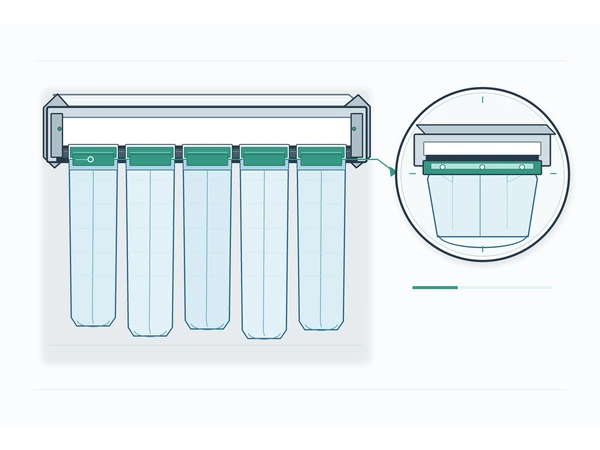
The PLM-JTNK-1 auto strip clamping machine clamps frame bars to fix filter bags to their frames. This assembly operation must retain the pockets in the intended positions without distorting their openings or supporting parts.
Check the actual bag openings and attachment components as well as overall width and height. Two filters with the same outside dimensions may still require different tooling if their pocket count or fastening design differs. Confirm attachment integrity using the agreed assembly checks.
Product Mix and Changeover Matter More Than Speed
Pleated high-efficiency media needs a spacing method that maintains the intended air passages. Separator designs may use corrugated paper or aluminium foil. Separatorless mini-pleat designs can use hot-melt beads or another specified method to support adjacent folds. Match that method to the media and pleat geometry.
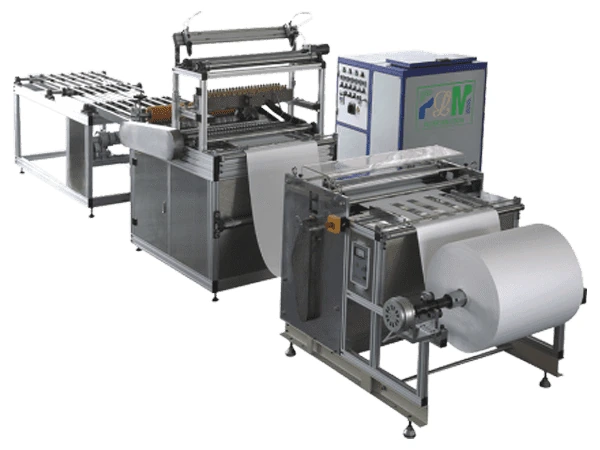
The PLWG-700-II mini-pleating production line combines pleating and hot-melt dispensing for fiberglass or polypropylene media. Its conveyor supports hot-melt setting after pleating. Establish the operating settings and pack length with representative material and the intended filter design.
Verify adhesive pattern, bead position and quantity during setup. Excess adhesive can cover usable media area or alter the airflow path, while inadequate support can allow pleat spacing to change. Increasing glue quantity by default is not a substitute for a validated pattern.
A V-bank configuration describes the arrangement of several media packs within one frame. It does not, by itself, define the filtration class or the spacing method within each pack. Pack positioning, bonding and perimeter sealing remain separate assembly tasks; V-bank gluing equipment addresses the corresponding bonding stage.
Verify Sealing and Finished-Filter Performance
After framing, check the connection around the media and the sealing features specified by the design. An unintended opening can let air bypass suitable filter media. Inspect handling damage, pack position, frame dimensions and bond condition before final acceptance testing.
Pleating accuracy and a neat glue line do not establish a HEPA classification. Verify the completed filter against the chosen product standard and purchase specification, including efficiency, resistance and applicable integrity or leakage tests. ISO 29463-4 addresses filter-element leakage testing; the required method and acceptance criteria depend on the specified class and applicable requirements.
Our filter testing and quality-control guide explains how finished-product checks relate to production. Keep results traceable to the media, assembly conditions and approved product reference so abnormal findings can be investigated at the relevant operation.
Plan Equipment Around the Finished-Filter Struct
A photograph shows overall shape; a sample or drawing reveals how the media, supports and frame connect. Translate those connections into operations. A pleater must produce a pack that assembly can receive, and bag preparation must produce openings compatible with the fastening components.
Our primary, medium and HEPA filter process range covers different preparation, forming, gluing and assembly tasks. Select the required combination using the product design, material range, batch mix, target output and available operators. A new line needs a connected route; an existing factory should first identify which operation needs improvement.
Confirm the selected stages with sample trials and agreed first-piece criteria. The equipment scope should state which operations are included, what enters and leaves each stage, and which finished-filter checks remain necessary.
Start with a Filter Sample and Production Requirement
For an initial process and equipment review, prepare:
- A finished-filter sample or drawing showing the media, supports, frame and joints.
- Media and adhesive information, target dimensions, pleat or pocket details, and the planned model range.
- Required output, batch sizes, available operators, workshop conditions and existing equipment.
- The target filtration class, test standard and agreed product acceptance requirements.
Share these details with PLM to discuss the necessary operations, sample trials and equipment scope. A defined product and an approved assembly reference make the production plan easier to evaluate and reproduce.